

Cart
0
Gluten Free Protein Powder
-

 -%Quickshop Fuel your body with rich chocolate taste and clean muscle support. This... Add to Cart
 -

 -%Quickshop Support your body with clean protein that works from within. This hydrolyzed... Add to Cart
 -

 -%Quickshop Enjoy a delicious chocolate boost while nourishing your skin, joints, and muscles.... Add to Cart
 -

 -%Quickshop Support your beauty routine with a delicious orange chew. These collagen gummies... Add to Cart
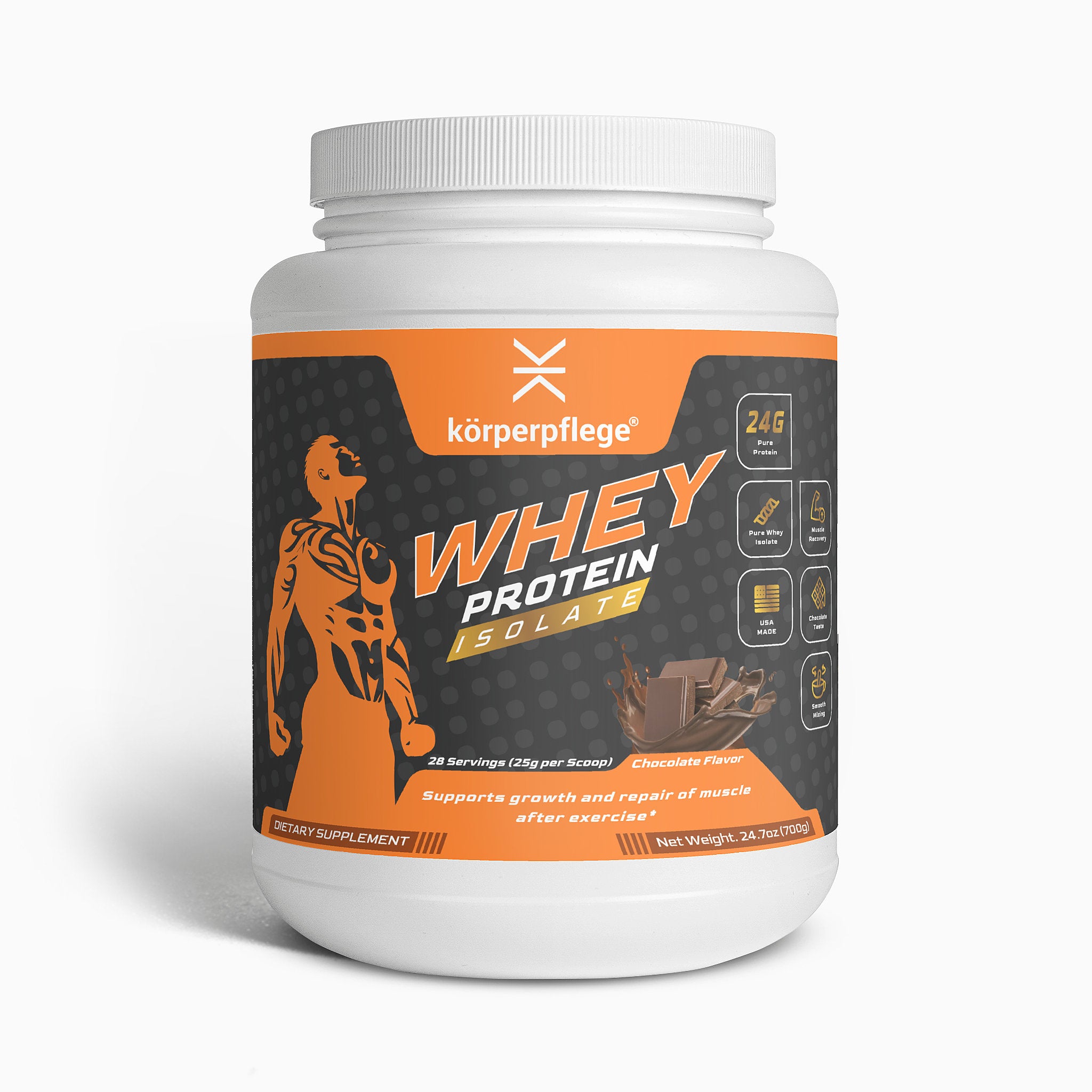

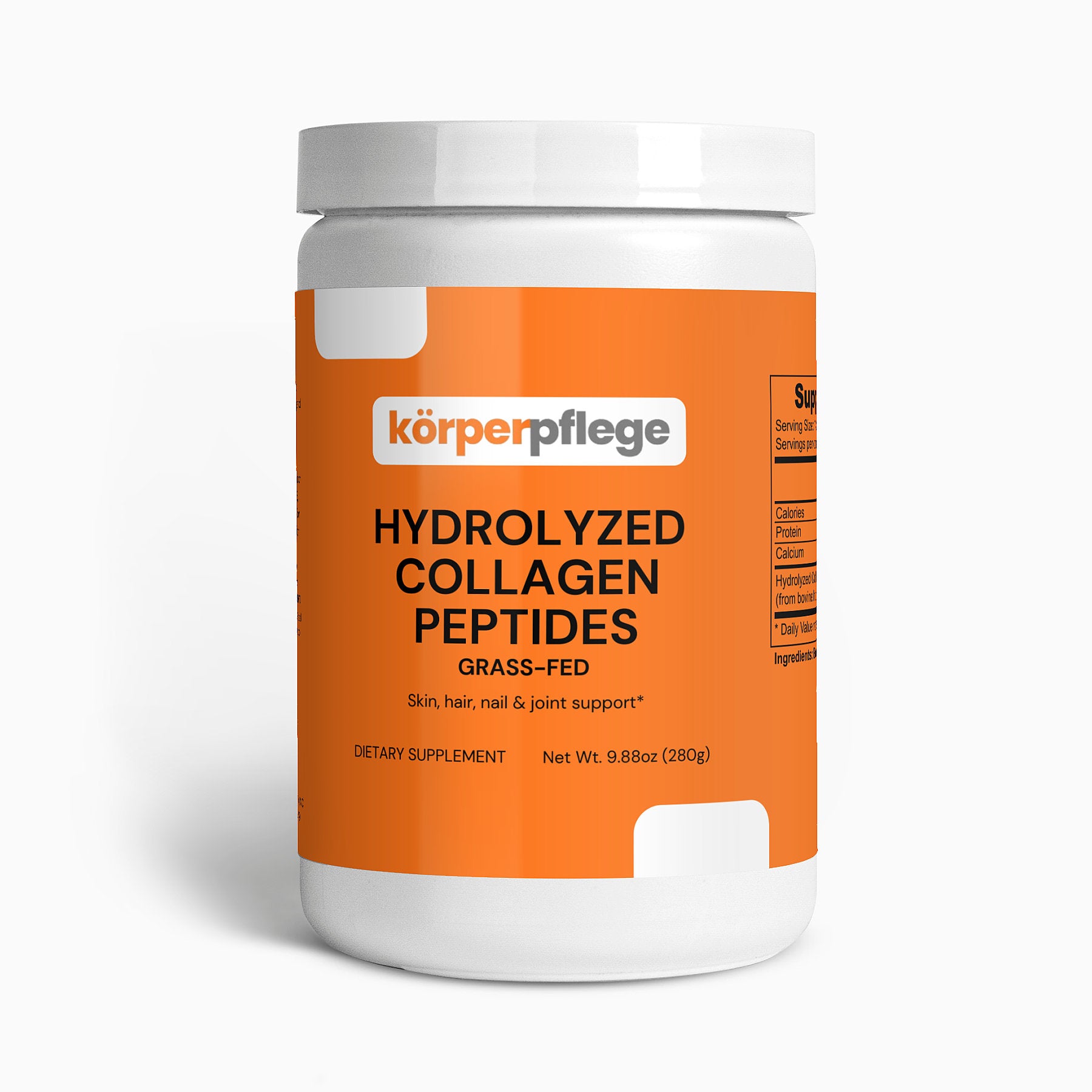

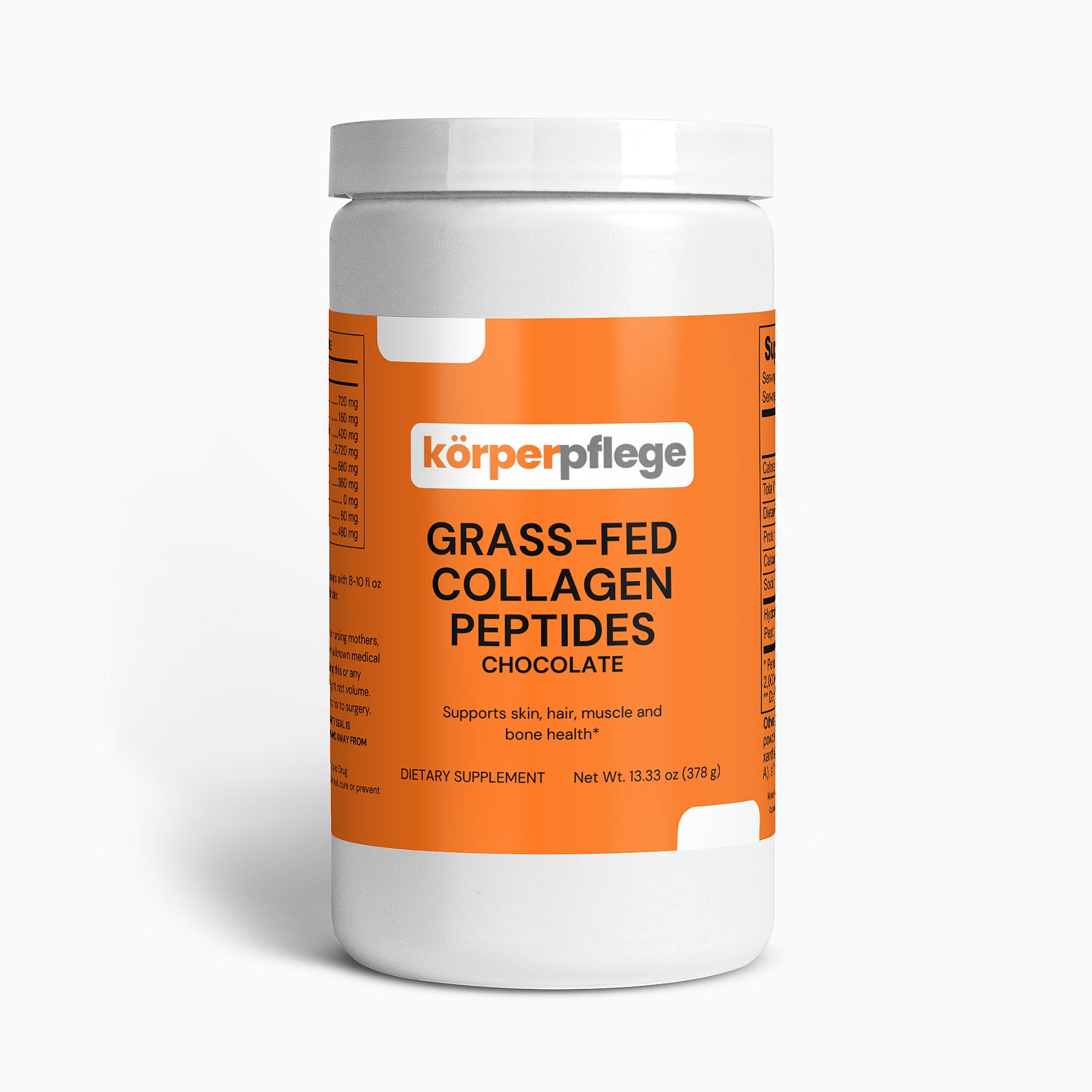


Shop Gluten-Free With Confidence
Gluten Free Protein Powders collection by Körperpflege is curated for clean labels, reliable digestibility, and everyday performance. Every item here is formulated without gluten, and many are also dairy-free or soy-free, which can help sensitive stomachs feel calm, not chaotic during training days. The U.S. “gluten-free” claim means the food contains under 20 ppm of gluten, so you can shop with clarity, not guesswork.
Best Gluten-Free Protein Powder, By Goal
Picking the right protein is easier when you match it to your goal and tolerances. Here is how to narrow fast.
- Muscle gain, all-purpose recovery: Whey isolate gives you high protein with very low lactose. Because isolate removes more lactose and fat, it may digest faster and feel lighter than concentrate. Good fit if you want maximum protein per scoop.
- Weight management or lighter macros: Whey isolated or unflavored plant protein can keep carbs, fats, and sweeteners low. Unflavored options also play nice in oats, smoothies, even yogurt.
- Sensitive stomachs or dairy-free: Pea protein is naturally lactose-free, rich in lysine, and pairs well with rice or oat protein to round out amino acids. Look for brands discussing PDCAAS or amino acid score, which estimate protein quality.
Ingredient And Allergen Clarity
- Gluten rules that actually protect you: In the U.S., “gluten-free” means no gluten-containing grains, and any unavoidable presence must be under 20 ppm. That’s the legal labeling standard, not a marketing slogan.
- Third-party gluten certification: Some brands go further with GFCO certification, which requires robust controls and finished product testing. Their typical threshold is at or below 10 ppm, stricter than the U.S. rule. Helpful if you want an extra margin.
- Flavorings and mix-ins: Protein powders are commonly gluten-free by nature, but cross-contact can occur during flavoring or add-ins. A recognized gluten-free seal or a clear “gluten-free” statement helps cut that risk. National Celiac groups note other seals like “Paleo” don’t automatically mean tested below 20 ppm.
Testing And Certifications To Know
- NSF Certified for Sport: Screens for unsafe levels of contaminants and substances banned by major sports bodies, and checks that label claims match what is inside. Great for tested-clean peace of mind.
- Informed Choice: Ongoing third-party testing program aimed at minimizing the risk of banned-substance contamination, suitable for active consumers and athletes.
- USP Verified: Indicates review for identity, potency, purity, and manufacturing quality, especially relevant for categories prone to adulteration like proteins.
Tip: If you compete, choose one seal and stick with it across your stack. Keeps life simple, less worry on test day.
Protein Types, Explained
- Whey Isolate, gluten-free: Filtered for higher protein and lower lactose than concentrate. Because isolate removes more lactose, it may be easier to digest for many. Great shaker-friendly texture too.
- Pea Protein, gluten-free: Naturally dairy-free and often easier on the stomach. Strong lysine content makes it a good base. Combine with rice or seed proteins to balance the amino profile if you like.
- Unflavored vs flavored: Unflavored keeps formulas minimal. Flavored options can use high-intensity sweeteners like stevia, which are generally recognized as safe when purified and used as intended, although whole stevia leaf is not approved as a sweetener. If you’re sensitive to sugar alcohols, scan the label.
How To Choose, Step By Step
- Set your goal: muscle building, weight management, or daily protein top-up.
- Pick a base: whey isolate for highest protein with low lactose, or pea if dairy-free.
- Check allergens: confirm gluten-free statement on label, then scan for dairy, soy, or nut ingredients if those matter to you.
- Decide on flavoring: unflavored for recipes, or flavored if you want shake-and-go. If you prefer stevia over sucralose, or vice versa, choose accordingly. FDA recognizes certain high-intensity sweeteners as safe within limits.
- Look for proof: optional NSF Certified for Sport, Informed Choice, or USP Verified seals if you want extra quality signals.
- Run the math: compare price per serving and grams of protein per dollar. A 25 g protein scoop at 1.50 dollars is a different value than 20 g at 1.20 dollars.
- Start with your stomach: try a small tub first. If it mixes gritty, bloats, or tastes off, it is probably not your match.
Frequently Asked Questions
Is all whey gluten-free?
Whey itself does not contain gluten. Risk usually comes from flavor systems or manufacturing cross-contact. Verified gluten-free labels or GFCO can reduce uncertainty.
What does “under 20 ppm” actually mean?
It’s the U.S. threshold for using “gluten-free” on food labels. Tests cannot reliably detect true zero, so regulators set a practical limit most people with celiac disease can tolerate.
Do I need a sports-testing seal if I’m not an athlete?
Not required. But NSF or Informed Choice can add confidence that what’s on the label is in the tub, with screens for contaminants or banned substances.
Stevia or sucralose, which is better?
Both can be used safely within regulations. Purified stevia glycosides are GRAS. Choose by taste and tolerance, and watch for sugar alcohol blends if you notice GI upset.
Smart Filters You Can Use On This Page
- Type: Whey isolate, Plant-based pea, Blends.
- Dietary needs: Gluten-free only, Gluten- and dairy-free, Soy-free.
- Flavor: Unflavored, Vanilla, Chocolate, Seasonal.
- Certifications: NSF Certified for Sport, Informed Choice, USP Verified, GFCO.
- Price per serving: Under 1 dollar, 1 to 1.50 dollars, 1.50 dollars plus.
Value Check, Before You Add To Cart
- Protein per scoop: 20 to 30 g is common.
- Scoop count: more servings often equals better cost per day.
- Sodium and sweeteners: if you retain water easily, compare sodium. If you are sweetener-sensitive, test a single-serve first.
- Mixability: a powder that clumps will sit in your shaker like wet sand, not fun.
Our Empathy-First Advice
We know labels can feel like alphabet soup. If you have celiac or strong gluten sensitivity, choose products with a clear gluten-free claim, and consider GFCO for tighter thresholds. If you are an athlete or just cautious, a quality seal like NSF or Informed Choice may reduce anxiety, you can lift and recover with more peace. If your gut is fussy, start low and go slow, try half scoops. Sometimes less is more while your system adapts.
Summary For Skimmers
- U.S. gluten-free equals under 20 ppm. GFCO tightens to about 10 ppm.
- Whey isolate suits high-protein, lower-lactose needs. Pea protein fits dairy-free.
- Optional seals, NSF, Informed Choice, USP, add assurance on purity and banned substances.
- Compare price per serving, protein grams per dollar, and your digestion first.
Disclaimer: These products are dietary supplements. They are not intended to diagnose, treat, cure, or prevent any disease. Speak with a healthcare professional before use, especially if pregnant, nursing, taking medications, or have a medical condition.
